Column · @gardendiary31
Reading Red Roses in Love Stories on Film: Key Points
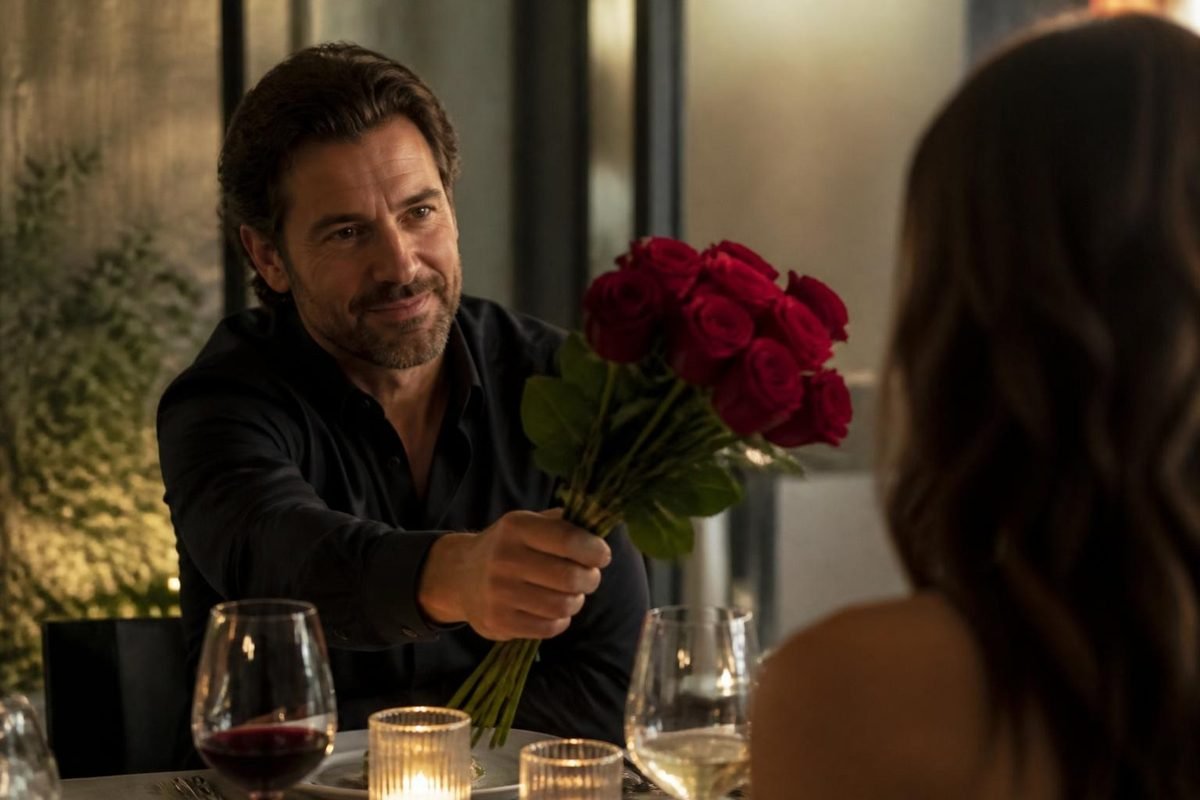
In romantic films, red roses commonly stand for love and desire, but they may also convey apology, yearning, or loss. Their meaning comes from the relationship and the scene: who offers the flowers, how the other person reacts, and what the surrounding details show.
A clear signal of affection
Because red roses are strongly linked with romantic love, a filmmaker can use them to establish an affectionate mood without a long explanation. A character who brings a bouquet to a first date signals that the meeting matters to them as more than a casual encounter, even before the characters begin to talk.
Flowers also make an emotion visible. A character may find it difficult to say what they feel, while selecting and presenting roses gives that feeling a concrete form. The camera can focus on the bouquet, the hand offering it, or the recipient’s expression to make the exchange feel private and emotionally close.
The gesture alone does not confirm honest affection. A carefully arranged bouquet paired with a thoughtless note, for instance, can suggest that the giver understands the familiar custom but has not considered the recipient as an individual. The way the gift fits the relationship matters as much as the flowers themselves.
Passion, strain, and attempts to make peace
Red can carry a sense of passion alongside tenderness. During a moment of strong attraction, roses may underline the intensity between the characters. In a more restrained scene, they can show affection that one person has not yet found the words to name.
After an argument, a character may bring roses in the hope of expressing regret or starting a conversation. The other person’s reaction gives the audience useful information. Accepting the bouquet may indicate openness to hearing the giver out, while ignoring it can show that a gift by itself has not resolved the hurt.
Roses can also make a scene feel uncomfortable rather than romantic. A bouquet sent after someone has clearly refused attention may seem intrusive. Viewers interpret the flowers together with the characters’ choices and conduct; the symbol does not turn every gesture into an expression of love.
How visual choices affect the meaning
Small details can shift what roses suggest on screen. The number and condition of the flowers, along with where they appear, help connect the gift to the story:
- One rose can make the offering feel direct and personal, focusing attention on the two people and their exchange.
- A generous bouquet may read as a large declaration. If the recipient appears uneasy, however, its scale can seem excessive.
- Roses that have wilted may point to passing time or affection that has weakened, particularly if the camera gives them sustained attention.
- Flowers left behind can suggest that someone is absent or that a meeting did not happen, depending on their location and intended recipient.
The surrounding place adds another layer. Roses arranged on a dinner table can help create a romantic atmosphere, while flowers set beside a photograph may suggest remembrance. These images depend on their context, so neither has a single meaning in every film.
Common questions about roses in films
Do red roses show that a relationship is healthy?
No. They can be offered with genuine affection, but a scene may use them to reveal pressure, insincerity, or a gap between what someone says and does. Watch the recipient’s response and the giver’s behavior before deciding what the gift means.
Why show roses instead of having a character say how they feel?
Flowers allow a film to communicate emotion without spelling it out in dialogue. How a character carries, offers, or responds to a rose can show feelings that remain unspoken, while leaving room for the audience to read the moment in context.
A good companion read: flowers for family in Poland